The NeuroMotor Pen™ Platform
Class 2 FDA authorised
Enabling more accurate, objective & automated neuro assessments
With state-of-the-art sensing technologies, proprietary algorithms and applied AI
Transforming handwriting and drawing into a powerful window into human neurophysiology
Why It Matters
We live in an aging society with a decline in brain health
As many as 100 million Americans suffer from one or more neurological diseases.1
It is estimated that there are 7 – 14 million people with mild cognitive impairment, at risk of developing a form of dementia. Multiple studies report that 90% go undiagnosed.
There are 10 million people with tremor at risk of developing Parkinson’s Disease or Lewy Body Dementia.
Individuals aware of subtle signs and symptoms in need of a test, at present, frequently do not see a doctor. By the time symptoms have worsened and a doctor’s visit becomes very urgent and they receive a diagnosis, their symptoms have progressed and options for early intervention have been missed.
Early detection and diagnostic confirmation is crucial for increased longevity with improved quality of life. Since neurological diseases are progressive, people with symptoms and precursors, even when testing negative, often need to re-test on a regular basis.
How Does It Work?
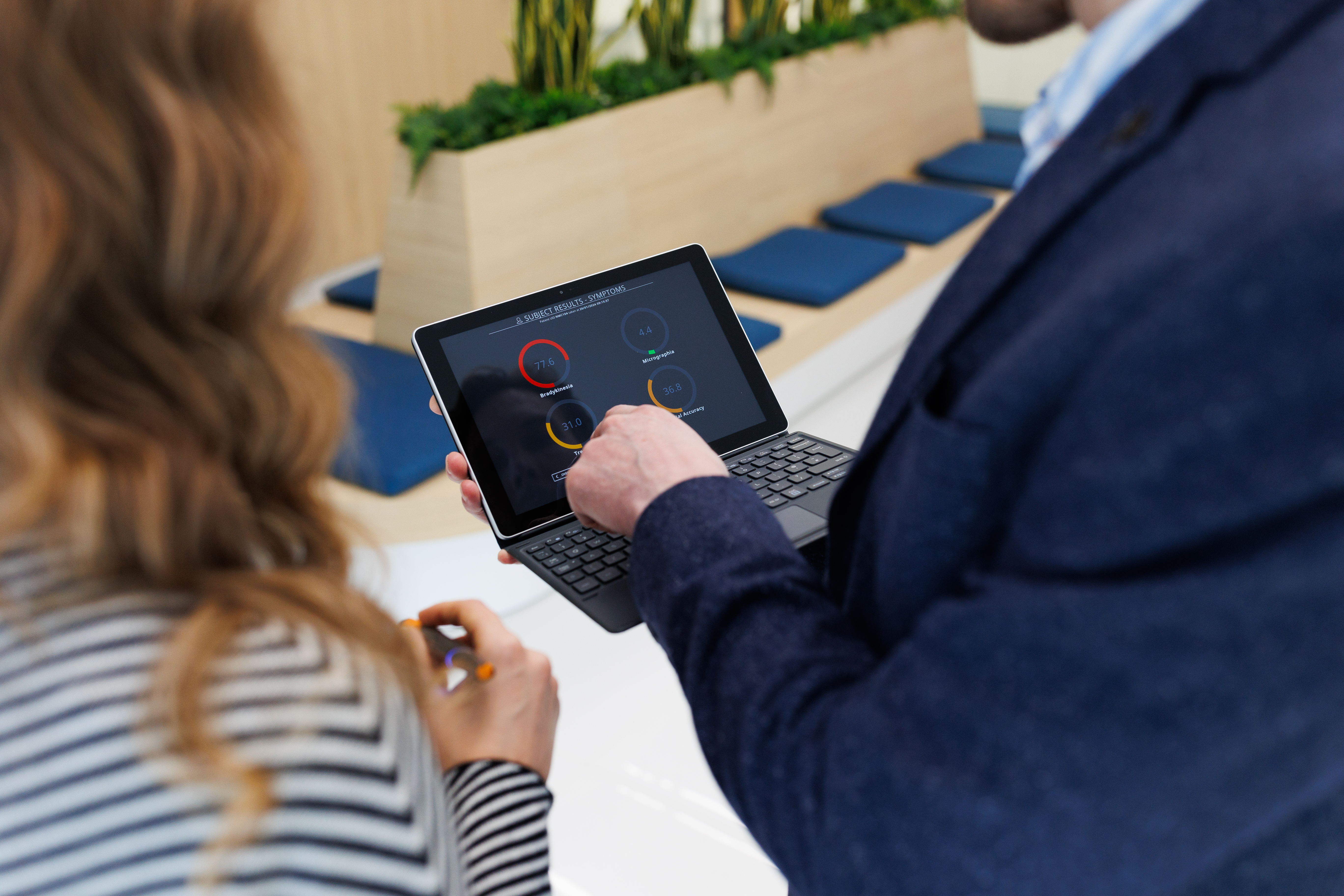
Handwriting and drawing are among the most complex motor tasks humans are capable of performing. By capturing micro-scale movement dynamics, the NeuroMotor Pen enables precise quantification of motor and cognitive symptoms, characterization of motor variability, sensorimotor integration, and pathophysiological signatures.
A multi-disciplinary approach was taken with involvement of clinical and scientific teams to derive robust biomarkers. The data sets underlying the validation were collected over a 10-year period.
Rory Cellan-Jones discussing the NeuroMotor Pen on his podcast.
"Our first guest was someone I had met in December at the recording of the Royal Institution Christmas lectures, which were all about artificial intelligence. Dr Rutger Zietsma was there to demonstrate one use of AI in healthcare - a pen which can diagnose Parkinson’s by analysing the user’s movements as they write and draw - and I was the guinea-pig."


The implementation is straightforward, but nevertheless groundbreaking:
Implementing assessments derived from current best practice, but with more objective and accurate symptom quantification.
Proprietary algorithms enable the derivation of digital biomarkers for precise quantification of motor and cognitive symptoms.
These biomarkers are associated with commonly used clinical rating scales in neurological and psychiatric disorders.
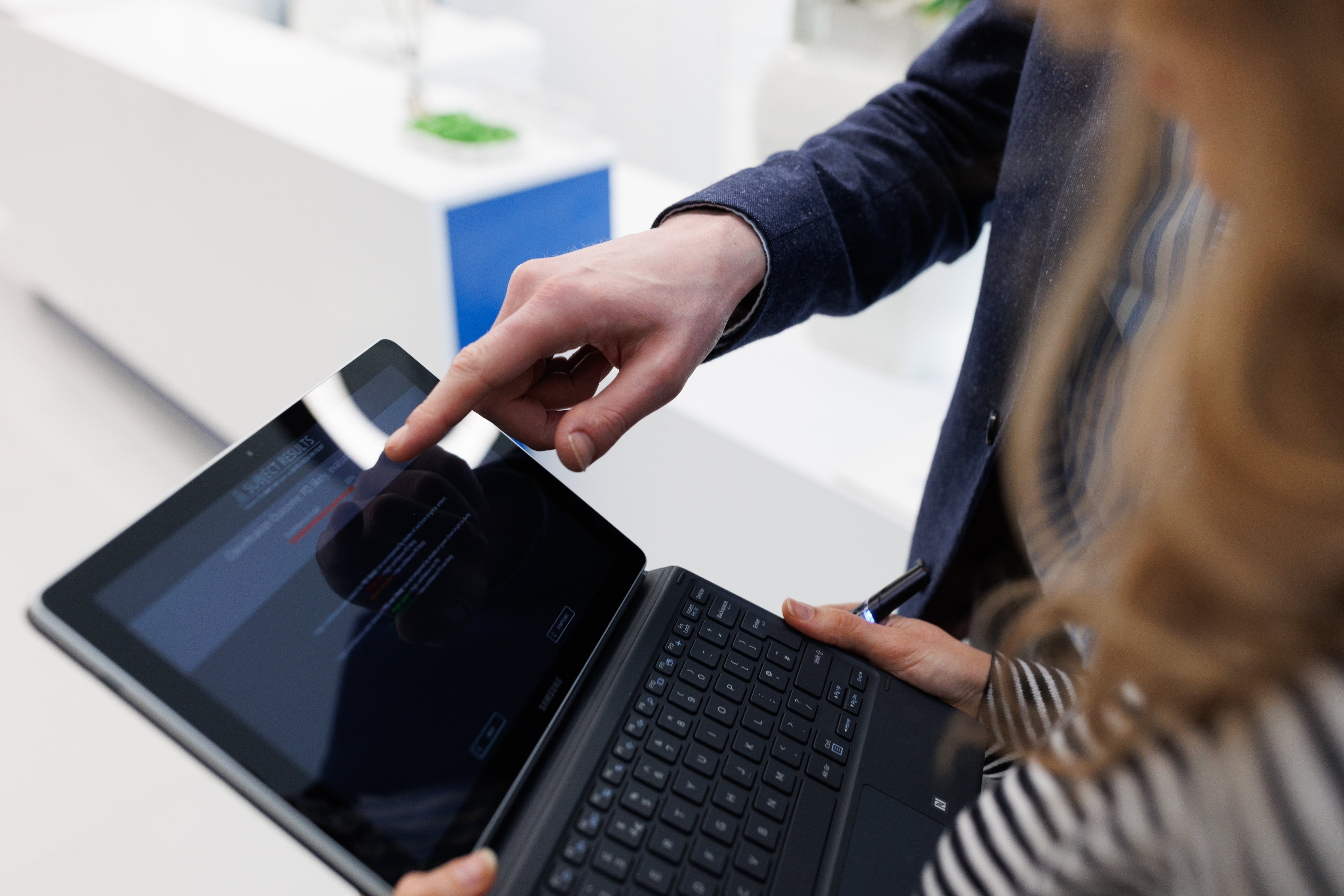
The automated analyses improve objectivity and accuracy over clinical observation while reducing assessment time.
Advanced decision support for diagnostic and treatment decisions. These decision support utilities have specific regulatory requirements beyond the current class II FDA approval.
The benefits
More objective and accurate symptom rating enables better symptom tracking and diagnostic decision support.
The assessments can be democratised to non-experts within the health system, which will streamline pathways smoothing referrals from primary care to specialist clinics.
FDA ‘Breakthrough Device Designation’ awarded for differential diagnosis of Parkinson’s and tremor disorders confirming the urgent clinical need for the technology.
Platform Solution